
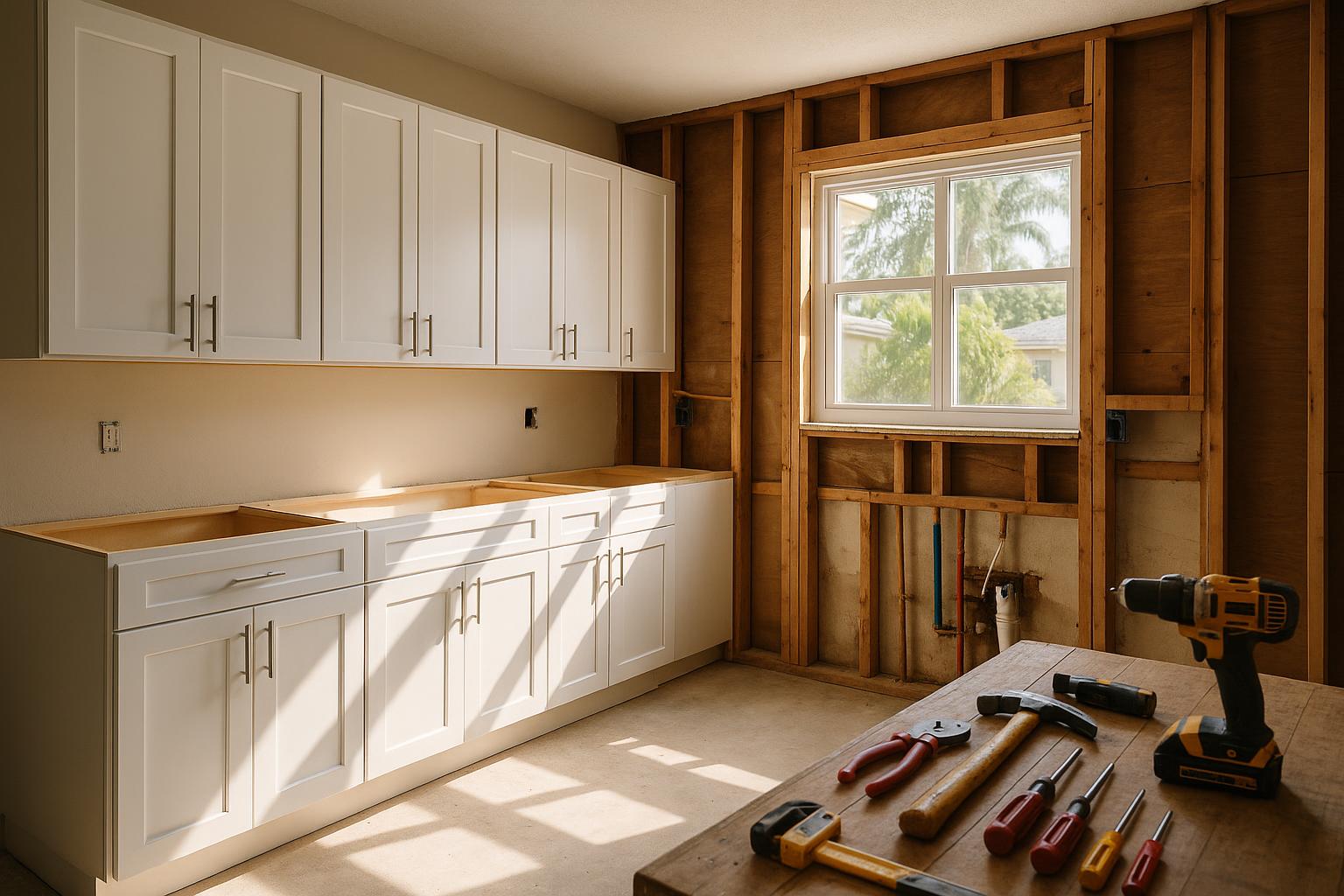
Your First Remodel? Here's What Actually Happens Behind the Scenes
If you've never been through a home remodel before, the process can feel like a black box. You know you want a better kitchen or a more functional bathroom, but what actually happens between signing a contract and popping a bottle of champagne in your brand-new space?
For Fort Lauderdale homeowners considering their first renovation, uncertainty is one of the biggest barriers to getting started. You might wonder: Will contractors tear apart my whole house? Can I still cook dinner? How long will my bathroom be out of commission?
This guide walks you through every phase of a typical remodel so you know exactly what to expect — no surprises, no stress.
Phase 1: The Initial Consultation and Design
Every quality remodel starts with a conversation. During the initial consultation, your contractor visits your home to assess the space, listen to your goals, and discuss your budget. This is the time to share inspiration photos, mention features you love (or hate), and ask every question on your mind.
After the consultation, you'll typically receive:
- A preliminary scope of work outlining what the project includes
- A rough estimate or range based on your wish list
- Design recommendations tailored to your space and lifestyle
For homeowners in Fort Lauderdale, this is also when your contractor should bring up local considerations — like building permits, HOA requirements, and material choices that hold up well in South Florida's humid climate.
How Long Does This Phase Take?
Design and planning typically take two to four weeks, depending on the complexity of your project and how quickly decisions are made on materials, layouts, and finishes.
Phase 2: Material Selection and Ordering
Once the design is locked in, it's time to pick your materials. This includes everything from cabinetry and countertops to tile, flooring, fixtures, and hardware. Your contractor should guide you through options that fit your budget and aesthetic while performing well in Fort Lauderdale's climate.
A few tips for this phase:
- Don't rush selections. Changing your mind after materials are ordered can cause costly delays.
- Order early. Some custom cabinetry and specialty tiles have lead times of four to eight weeks.
- Ask about alternatives. A good contractor can suggest materials that give you the look you want without blowing your budget.
This phase often overlaps with permitting, which brings us to the next step.
Phase 3: Permits and Pre-Construction Prep
Most kitchen and bathroom remodels in Fort Lauderdale require building permits, especially if the work involves plumbing, electrical, or structural changes. Your contractor should handle the permit application process, but it's helpful to know that approval can take anywhere from a few days to a few weeks depending on the scope.
During this time, your contractor will also:
- Finalize the project schedule
- Coordinate subcontractors (plumbers, electricians, tile installers)
- Set up a plan for protecting the rest of your home from dust and debris
This is also a great time to prepare yourself. Clear out the room being remodeled, set up a temporary kitchen station if needed, and make arrangements if a bathroom will be out of service.
Phase 4: Demolition
Here's where things get real. Demolition day is loud, dusty, and exciting. Old cabinets, countertops, flooring, and fixtures are removed to make way for the new design. Depending on the project, demolition might also reveal hidden issues — outdated wiring, corroded pipes, or water damage behind walls.
In older Fort Lauderdale homes, these discoveries aren't uncommon. A reputable contractor will communicate any issues immediately, explain your options, and provide a clear cost adjustment before proceeding.
What About the Mess?
Your contractor should contain the work area with plastic sheeting and take measures to minimize dust throughout your home. A dumpster or debris removal plan should already be in place before demo begins.
Phase 5: Rough-In Work (The Invisible Stuff)
After demolition, the behind-the-wall work begins. This phase includes:
- Plumbing rough-in: Moving or installing water supply lines and drains
- Electrical rough-in: Adding outlets, switches, lighting circuits, and dedicated lines for appliances
- Framing adjustments: Modifying walls, adding blocking for heavy cabinetry or wall-mounted fixtures
This work must pass a municipal inspection before the project can move forward. It's not glamorous, but it's the foundation of a safe, code-compliant remodel.
Phase 6: Installation — Where the Vision Comes to Life
This is the phase most homeowners look forward to. Installation happens in a specific order to ensure everything fits together properly:
- Drywall and painting — Walls are patched, finished, and painted.
- Flooring — Tile, luxury vinyl, or other flooring goes down.
- Cabinetry — Custom or semi-custom cabinets are installed and leveled.
- Countertops — Templated and fabricated to fit your exact layout.
- Fixtures and hardware — Faucets, sinks, lighting, towel bars, and cabinet pulls.
- Appliances — Connected and tested.
Each trade follows the last in a carefully coordinated sequence. This is where having an experienced general contractor makes all the difference — poor scheduling here leads to delays and rework.
Phase 7: Final Inspection and Walkthrough
Once everything is installed, your contractor will schedule a final building inspection to confirm the work meets code. After that, you'll do a detailed walkthrough together.
During the walkthrough, look closely at:
- Cabinet doors and drawers — do they open and close smoothly?
- Grout lines and tile edges — are they clean and consistent?
- Paint and caulking — any touch-ups needed?
- Fixtures — does everything work as expected?
Any punch-list items should be documented and addressed promptly. A contractor who takes this phase seriously is one who stands behind their work.
Phase 8: Enjoy Your New Space
This is the best part. Your remodel is done, the dust has settled, and you finally get to use the kitchen or bathroom you've been imagining. Whether it's cooking your first meal on a brand-new countertop or stepping into a spa-like shower after a long day, this is the moment that makes it all worth it.
A Few Final Tips for Fort Lauderdale Homeowners
- Communicate openly. The best remodels happen when homeowners and contractors stay in regular contact throughout the process.
- Expect minor surprises. Even well-planned projects hit small bumps. Flexibility goes a long way.
- Choose a contractor who explains the process. If someone can't walk you through what to expect, that's a red flag.
At Atlas Construction Fort Lauderdale, we guide homeowners through every phase of their remodel — from the first conversation to the final walkthrough. If you're ready to transform your kitchen, bathroom, or any space in your home, we'd love to show you how smooth the process can be.